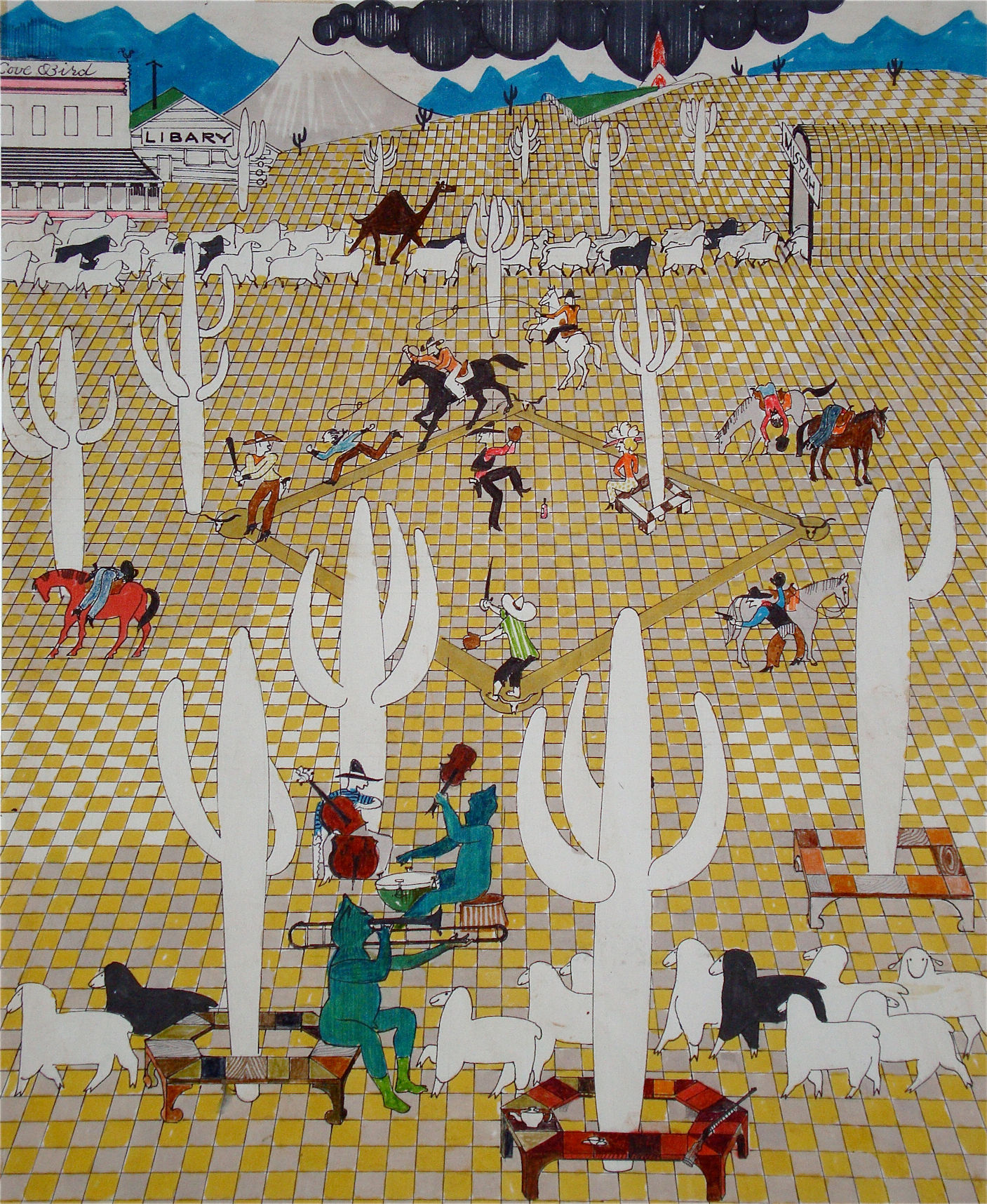
One to be enjoyed— we just can’t explain this landscape featuring saguaro cacti, cowboys playing baseball, a shootout, two herds of sheep (with one camel), and green demons in a band.
One to be enjoyed— we just can’t explain this landscape featuring saguaro cacti, cowboys playing baseball, a shootout, two herds of sheep (with one camel), and green demons in a band.
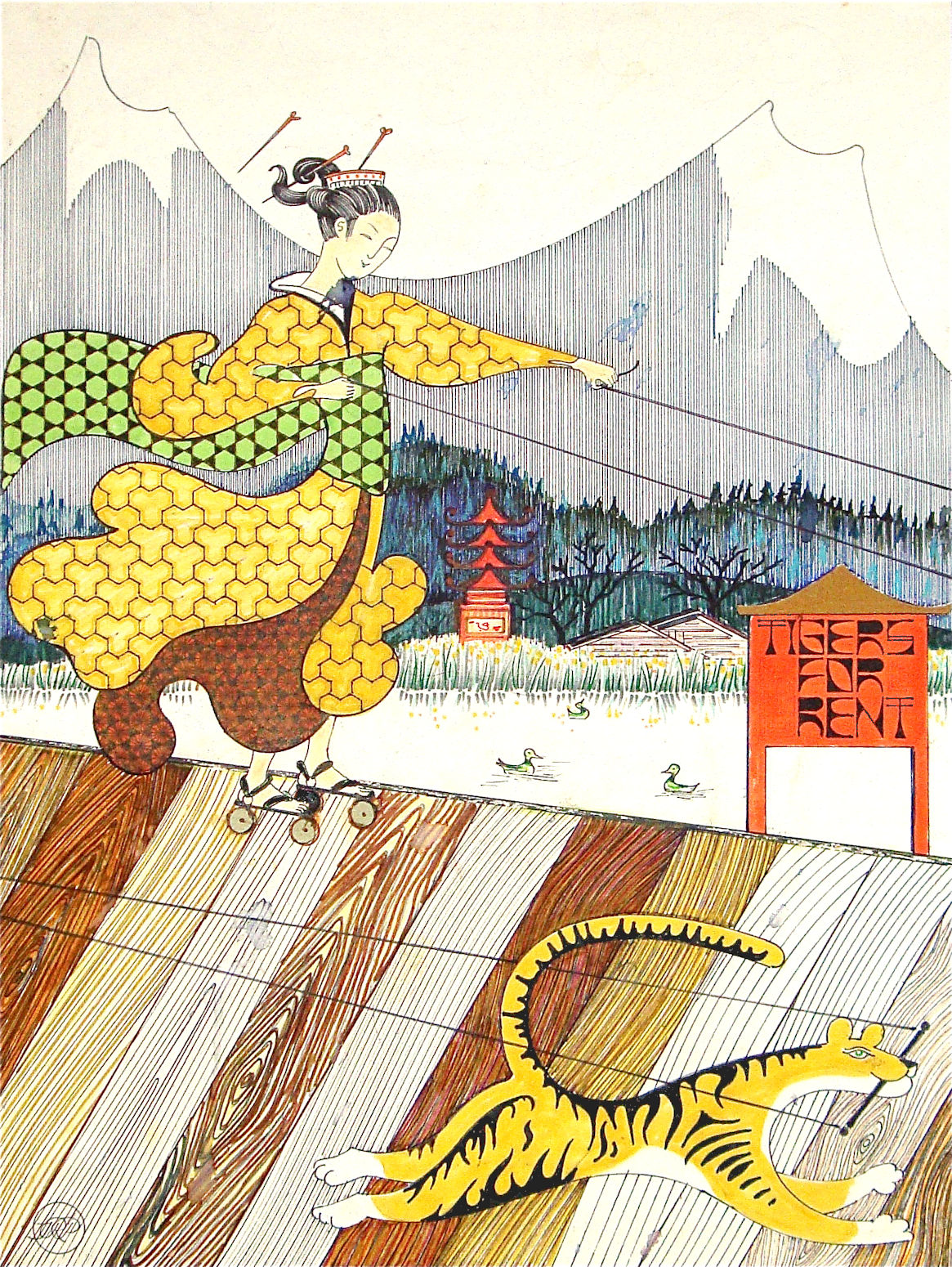
Looks like great fun! This is a particularly creative example of sports engaged in by Floyd’s elaborately clothed Asian ladies. Although only one participant and one tiger are shown, a second pair is evident, judging from the tow ropes.
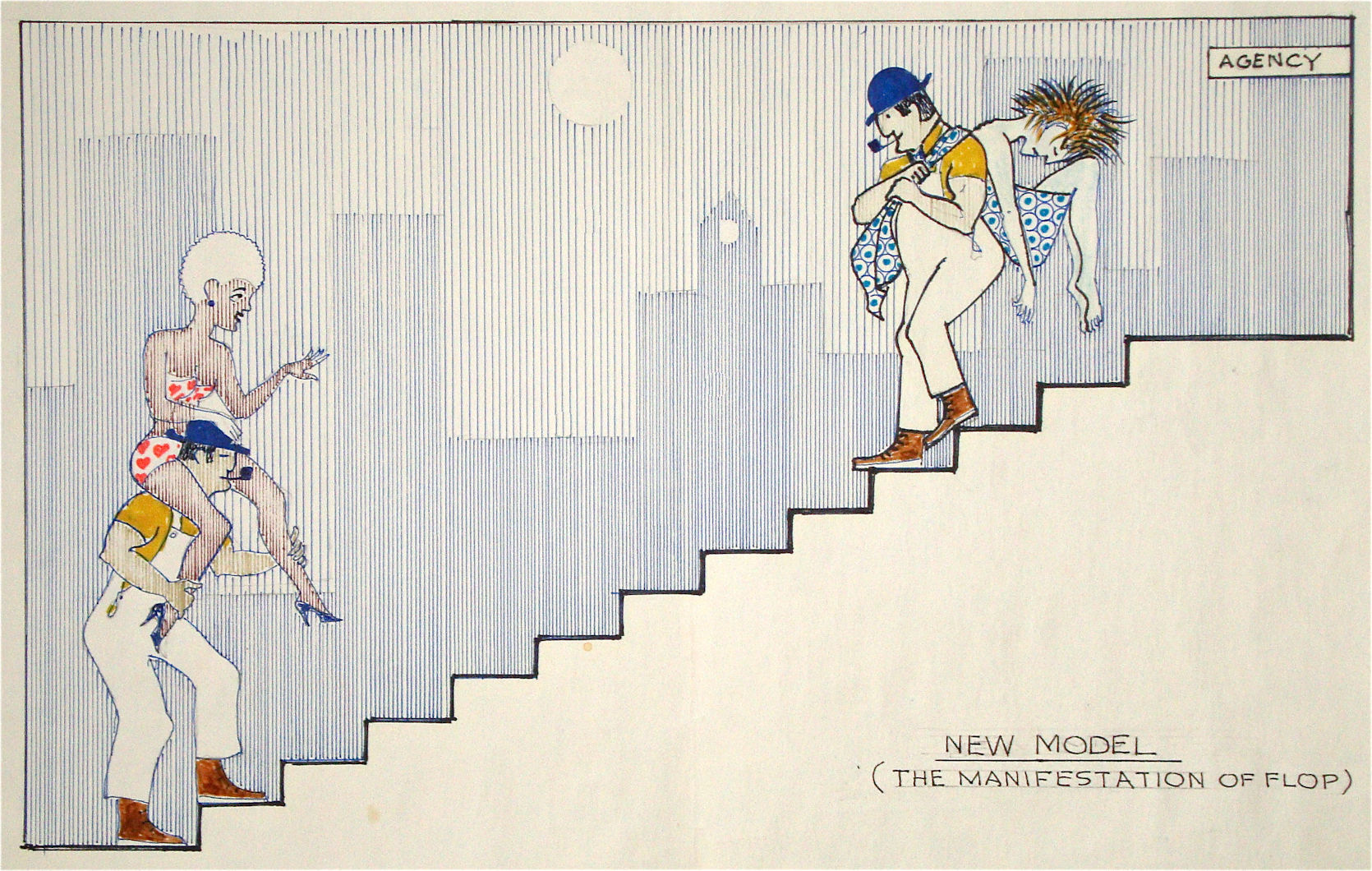
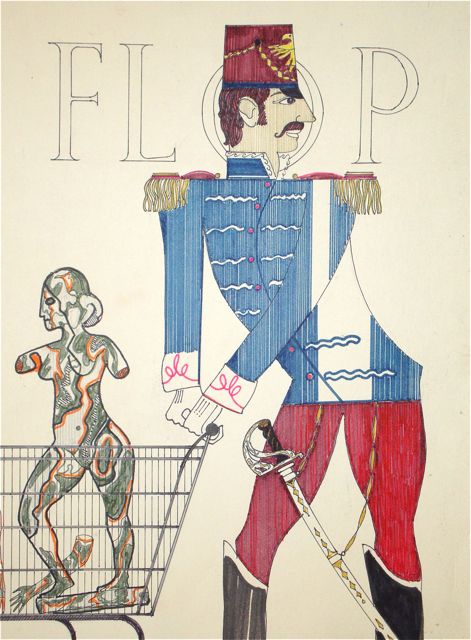
New Model (The Manifestation of Flop)
Floyd’s drawings were rarely explained, so we’ve no idea what connection this image has to the story of Flop, one of Floyd’s recurring characters. A simpler version of this concept is in his book; it may represent an earlier approach to the subject.
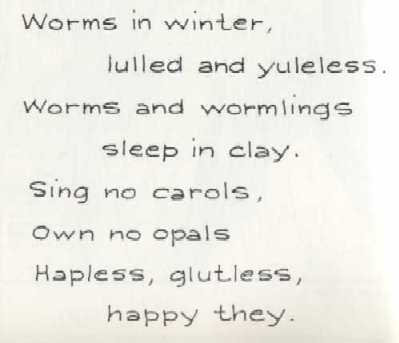
Worms in winter,
lulled and yuleless.
Worms and wormlings
sleep in clay.
Sing no carols,
Own no opals
Hapless, glutless,
happy they.
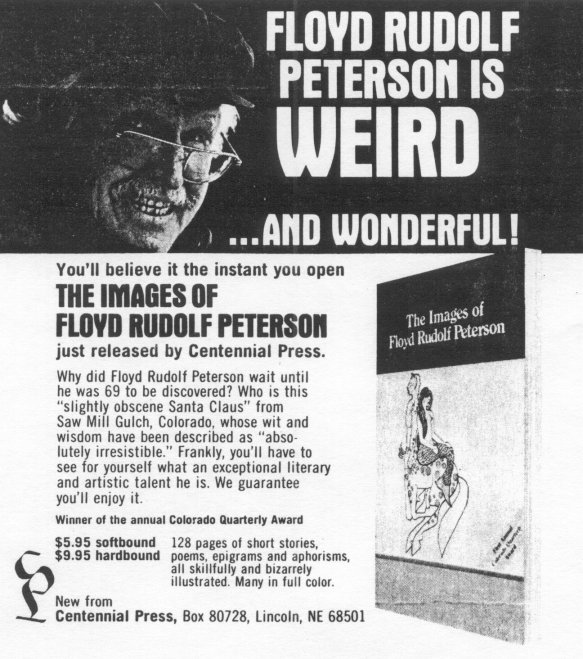
In 1977, Floyd was discovered and “enjoyed” a burst of fame. Samples of Floyd’s poems, short pieces, and “bizarre” drawings were published by the University of Colorado, Boulder, as a special edition of Colorado Quarterly (Volume XXVI, No. 1). The Images of Floyd Rudolf Peterson, a slim 124-page volume, was the First Annual $1000 Colorado Quarterly Award. This ad is from 1977.
More about Floyd’s book and his “half-cocked vision of the world” at this link. Copies occasionally turn up online or in used book shops.
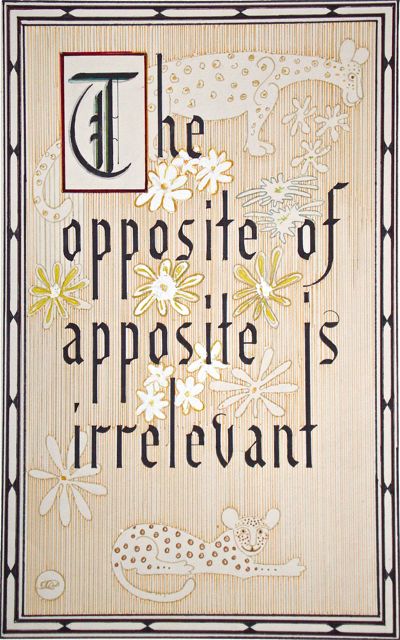
In a long career of editing, I’ve come to realize the issues many people— even writers who should know better— have with phrases in apposition, which tend to be irrelevant to the meaning of a sentence. But “apposite” means the opposite, and Floyd is correct here. I just like the leopards and daisies. Or are they jaguars? Floyd would know.
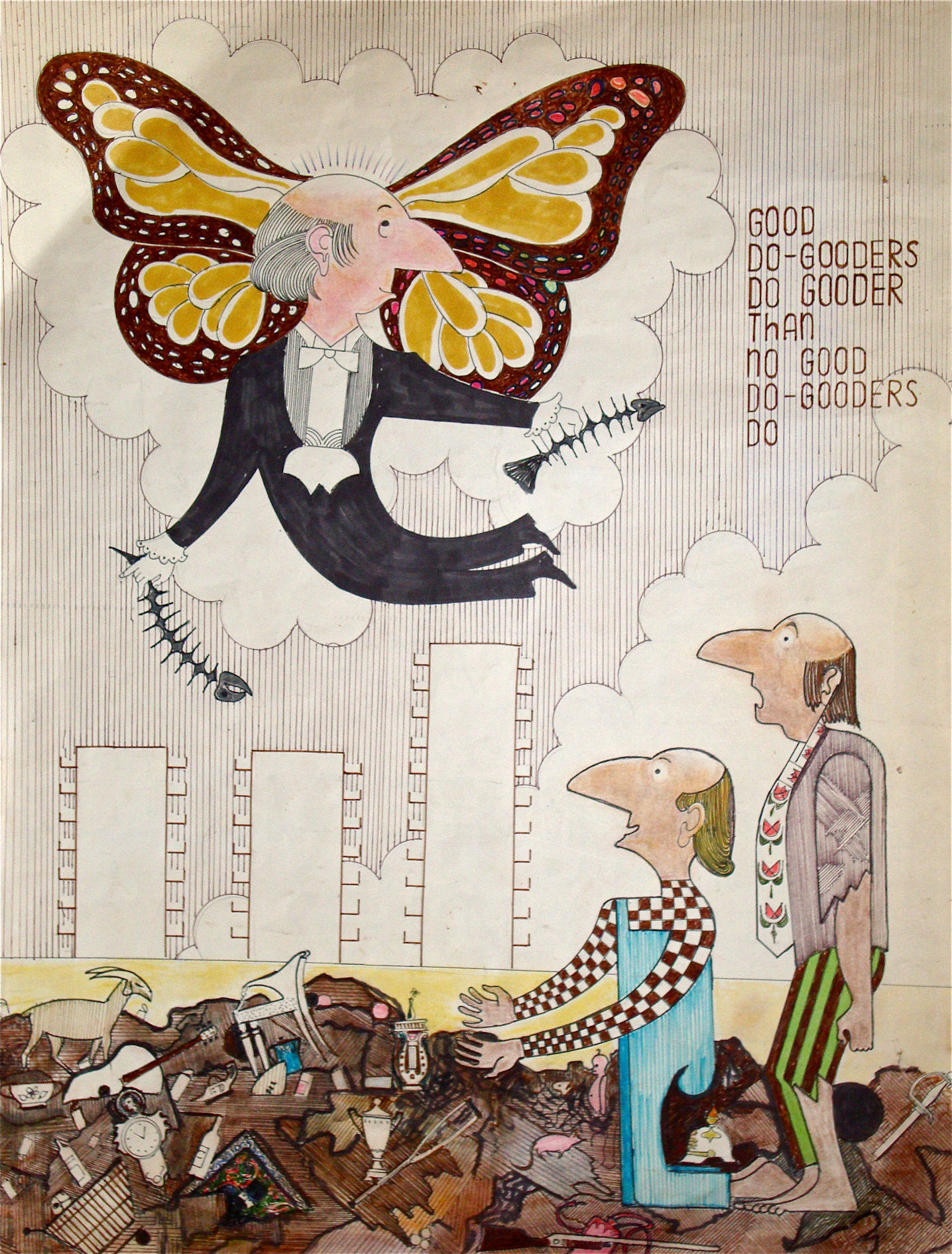
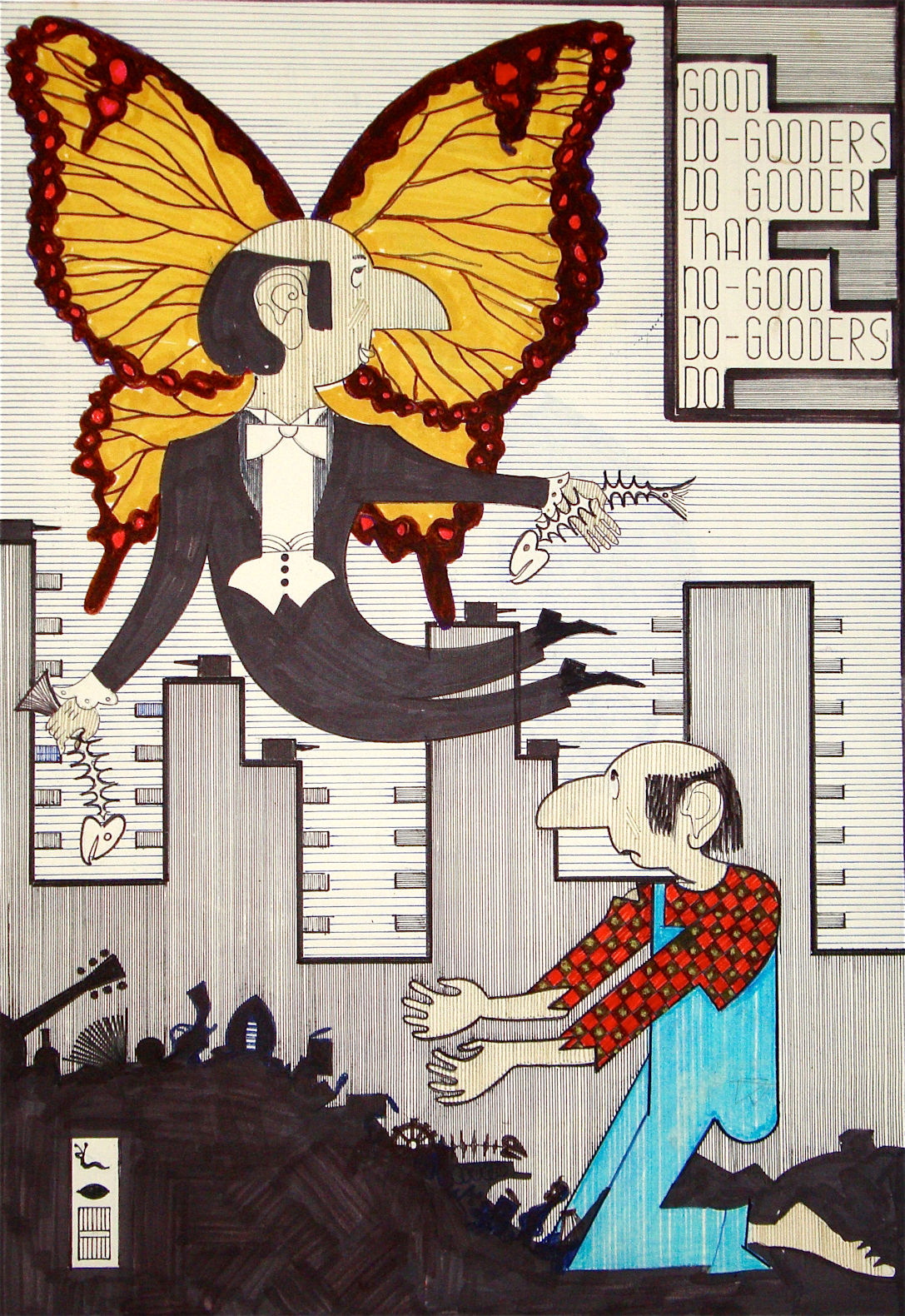
There are two iterations of this intriguing drawing. In this one, a hovering “do-gooder” offers fish bones to two men scavenging for scraps. A second version shows less detail in the scrap-pile and only one man.
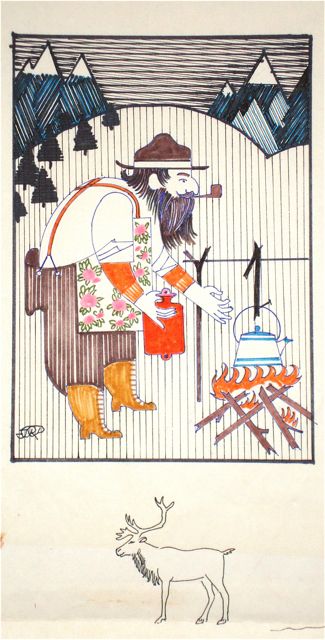
Another category of Floyd’s drawings perhaps best fits the label “western,” involving cowboys, horses, mountains—or all of the above. This one of a mountain man working over a campfire includes a separate drawing of an elk in the margin.
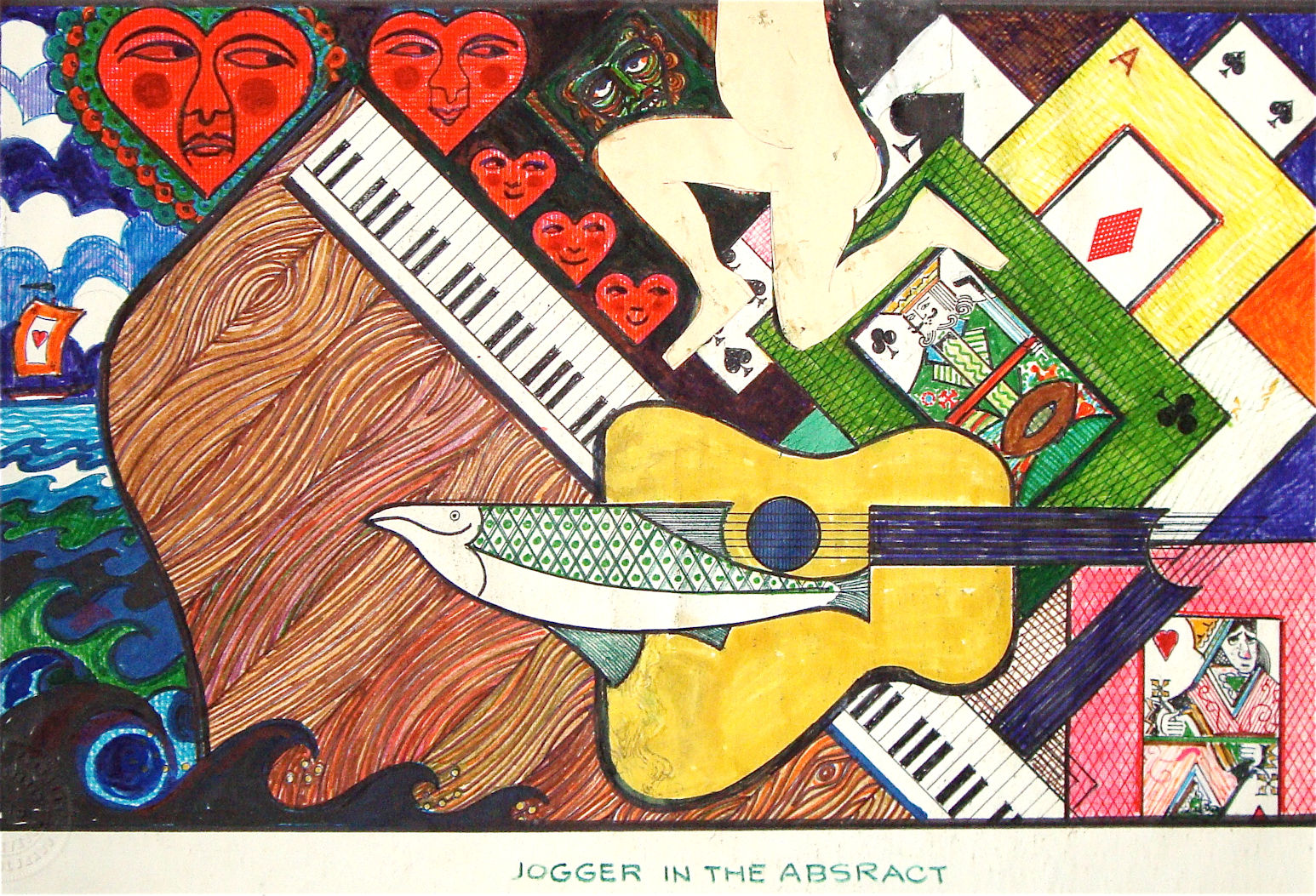
I wanted to say something about this one, but words failed me. Even an inventory of the elements couldn’t do it justice: Playing cards, piano and keyboard, guitar, fish, and the sly-faced hearts (maybe valentines?) with an ocean in the background. And the nether half of a naked jogger superimposed on the whole thing. What the dickens, as Floyd might say, is that in the lower left corner?
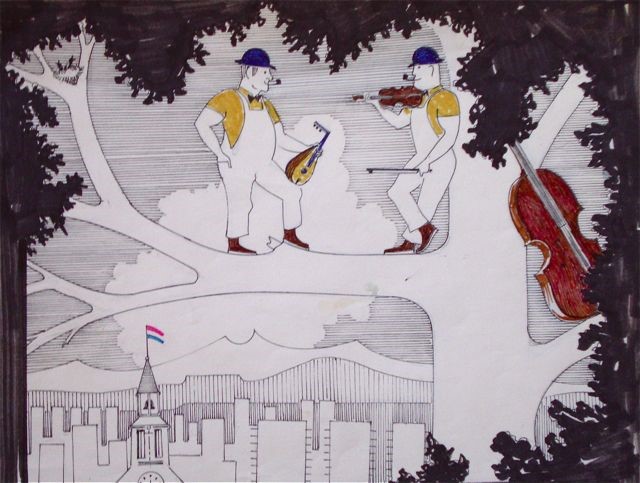
Floyd’s workmen, which he dubbed “myfots,” are characters that appear in several drawings. In this untitled drawing, two of them appear to be taking a break to enjoy a small jam session high above the city.
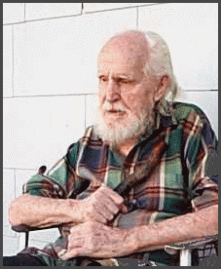
 Floyd R. Peterson
Written
on May 21, 2025